On this page
Clay that moves
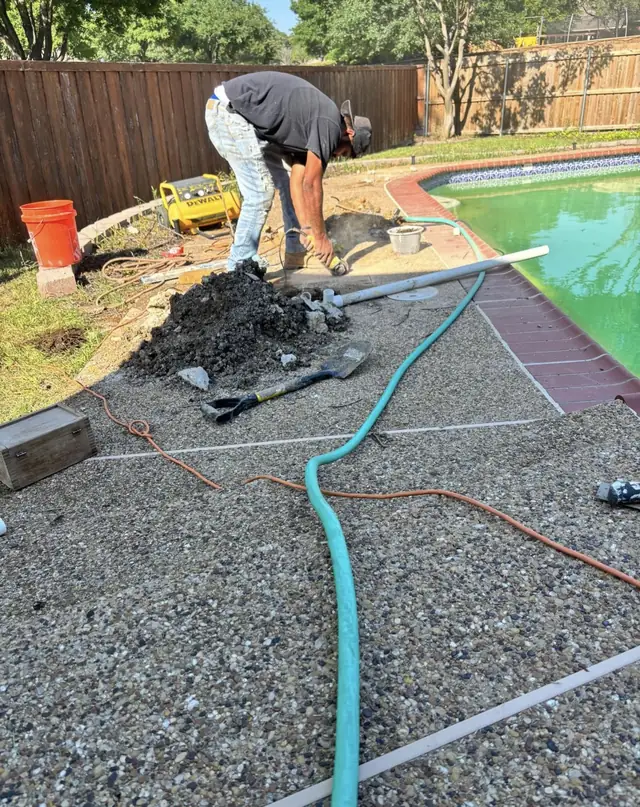
Much of North Texas sits on clay that swells when it gets wet and shrinks when it dries. After a long dry spell, cracks open in the yard. After heavy rain, the ground swells back. That movement pushes and pulls on everything buried in it: the pool shell, the skimmer, and the pipes under the deck.
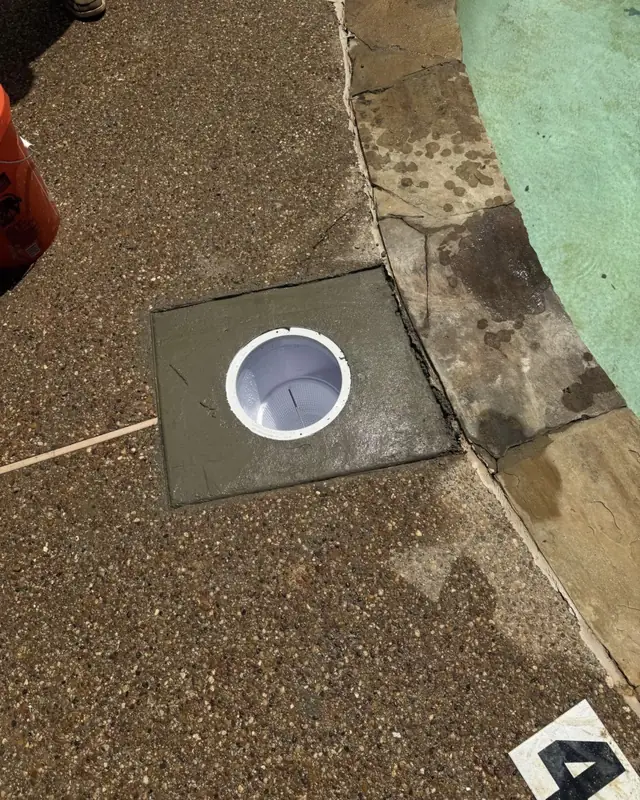
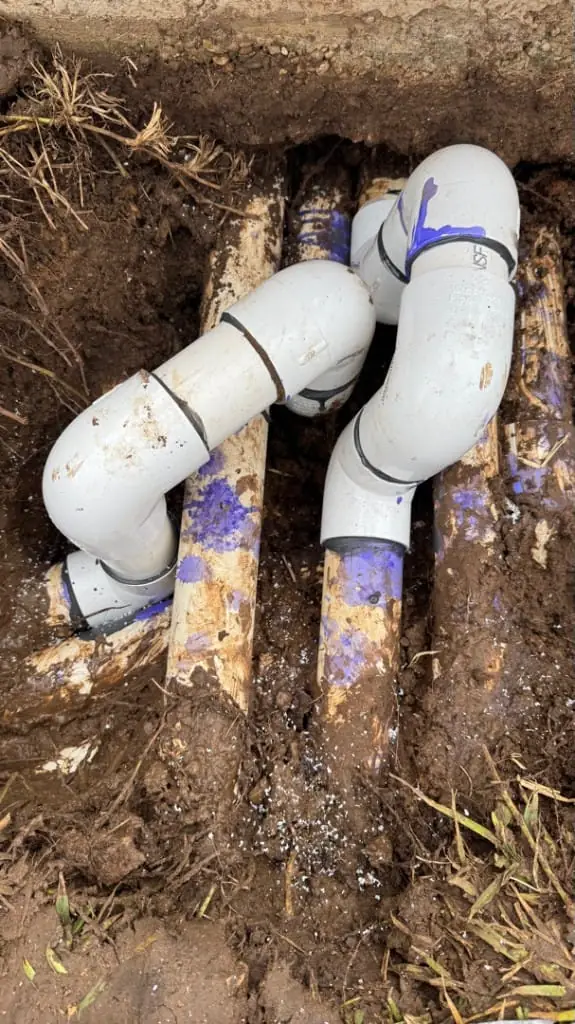
The joints take the strain first. That is why skimmers and underground lines are so often where we find leaks.
Summer heat
Long, hot summers mean more evaporation, so small leaks hide inside normal loss. They also bake exposed plumbing and dry out the ground faster. Use our leak check to compare your drop with the day's weather.
Hard freezes
A hard freeze can split pipes, pump housings, filters and heaters, especially the plumbing above ground at the equipment pad. Damage often shows up as leaks weeks later.
- Keep the pump running during a hard freeze. Moving water resists freezing, and many automation systems do this for you.
- Wrap exposed pipes and valves at the pad.
- If the power goes out in a freeze, follow your equipment maker's guidance, or call a pro.
Tree roots
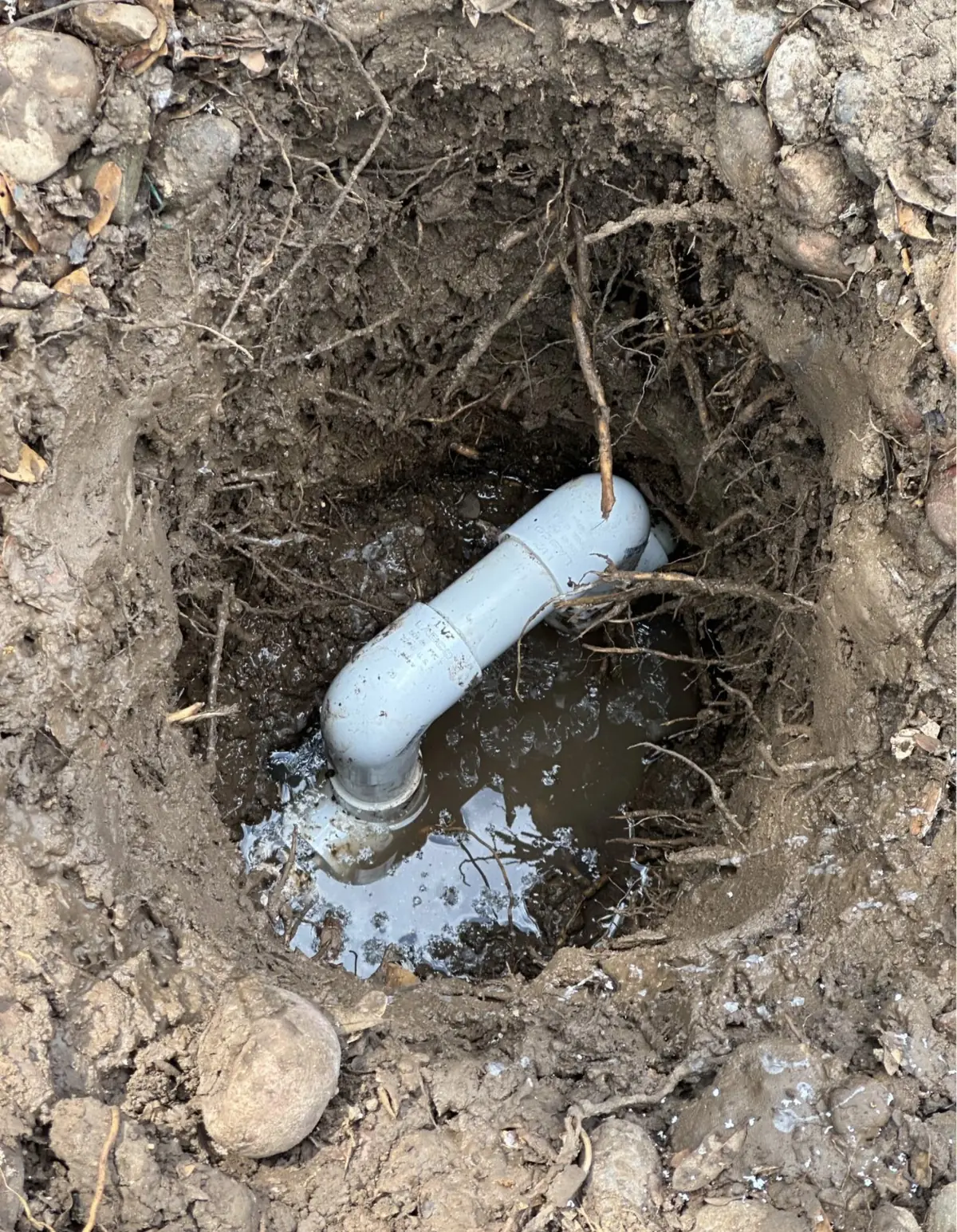
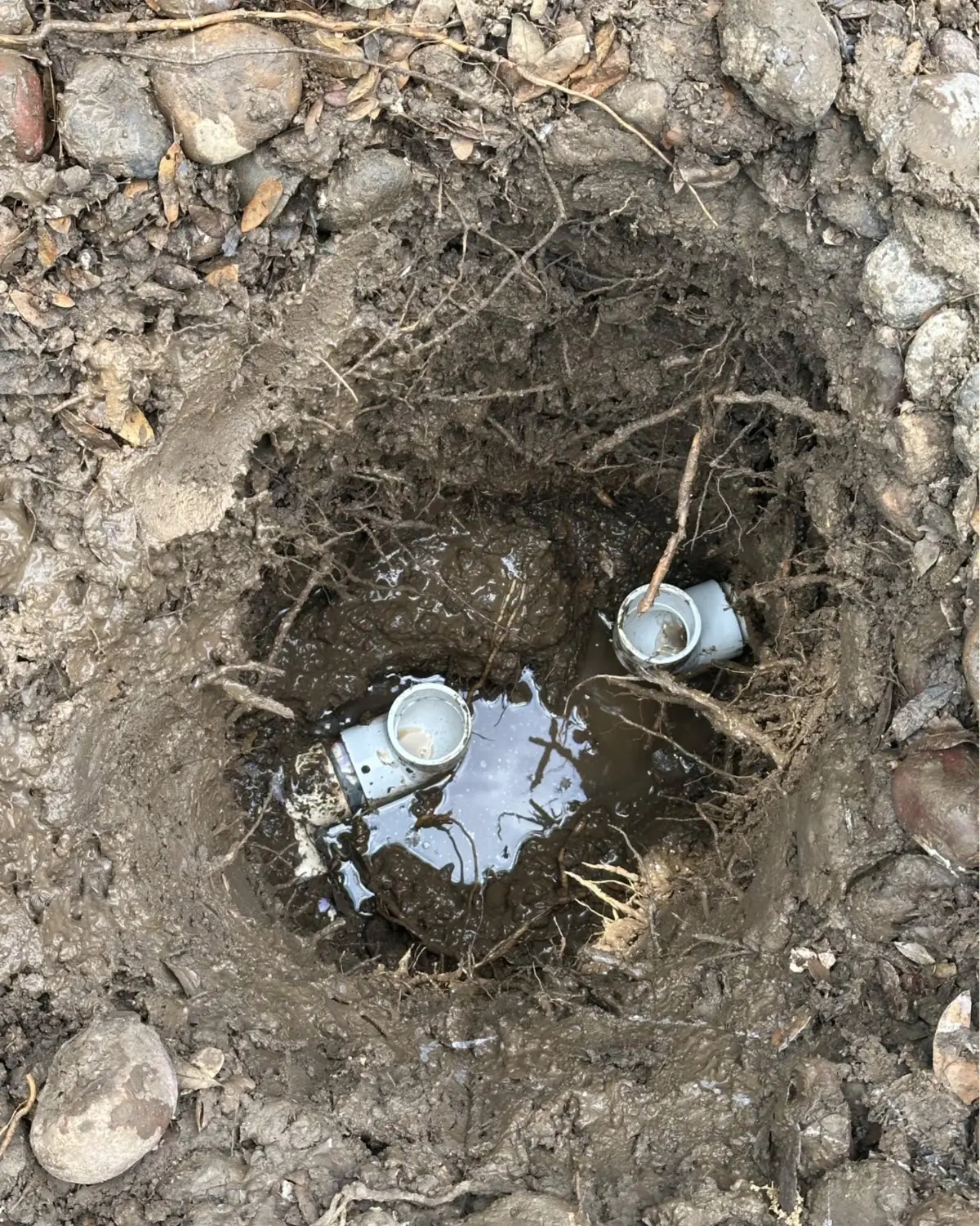
Roots go looking for water. A slow leak invites them, and they can wrap around and crack a line.
Expansive clay, in plain words
Much of North Texas sits on clay that swells when it gets wet and shrinks when it dries. In a wet spring the ground around your pool lifts and pushes. In a summer drought it pulls back and cracks open. Pools, decks and buried pipes are rigid, so all that movement puts stress on the joints: the skimmer throat, the bond beam, fittings and buried lines.
What the 2021 freeze taught Texas pool owners
The February 2021 winter storm froze pipes and equipment across the state, including pools that had never seen a hard freeze. Some damage showed up right away as cracked pumps and filters. Some showed up months later, as slow leaks in fittings and lines that had been stressed. If your pool started losing water after a freeze, even weeks later, the freeze is a suspect.
Protect the pool before a freeze
- Keep the pump running during a hard freeze; moving water is much harder to freeze.
- Check that your freeze protection, if you have it, actually turns the pump on.
- Cover exposed pipes and valves at the equipment pad.
- After the freeze, look for cracks and drips before restarting anything that sat off.
Trees near the pool
Roots go where the water is. A small leak under the deck draws roots to it, and those roots then wrap around the fitting and make it worse. If you have big trees near the pool, a slow leak is worth finding sooner rather than later.
After a big weather swing
After a drought, a flood or a freeze, watch the water level for a week. If it drops faster than before, run a bucket test and book a leak detection. We work across all of Dallas–Fort Worth, plus Houston and Austin.
Questions
Why do pools in Dallas leak so often?
The clay soil moves with wet and dry seasons, which strains joints and pipes, and hard freezes crack equipment and shallow lines.
Can a freeze cause a pool leak months later?
Yes. A small crack from a freeze can open further as the ground moves, so the leak may only show up later.
Should I run my pool pump during a freeze?
Yes. Moving water resists freezing. Keep the pump running during hard freezes, and if power goes out, check the equipment for cracks before starting it again.
Does drought cause pool leaks?
Drought dries and shrinks clay soil, which lets the ground around the pool settle and pull on the plumbing and skimmers. Many leaks show up after a long dry spell or right after the rain returns.