On this page
Kinds of cracks
- Hairline checks in the plaster. Fine, shallow lines, often in a web pattern. Usually cosmetic.
- Structural cracks that run through the shell. Often longer, straighter, sometimes wider at one end.
- Tile line cracks along the waterline, where the tile and the top of the wall meet.
- Deck and coping cracks, and gaps between the deck and the pool. They let rain and pool water under the deck.
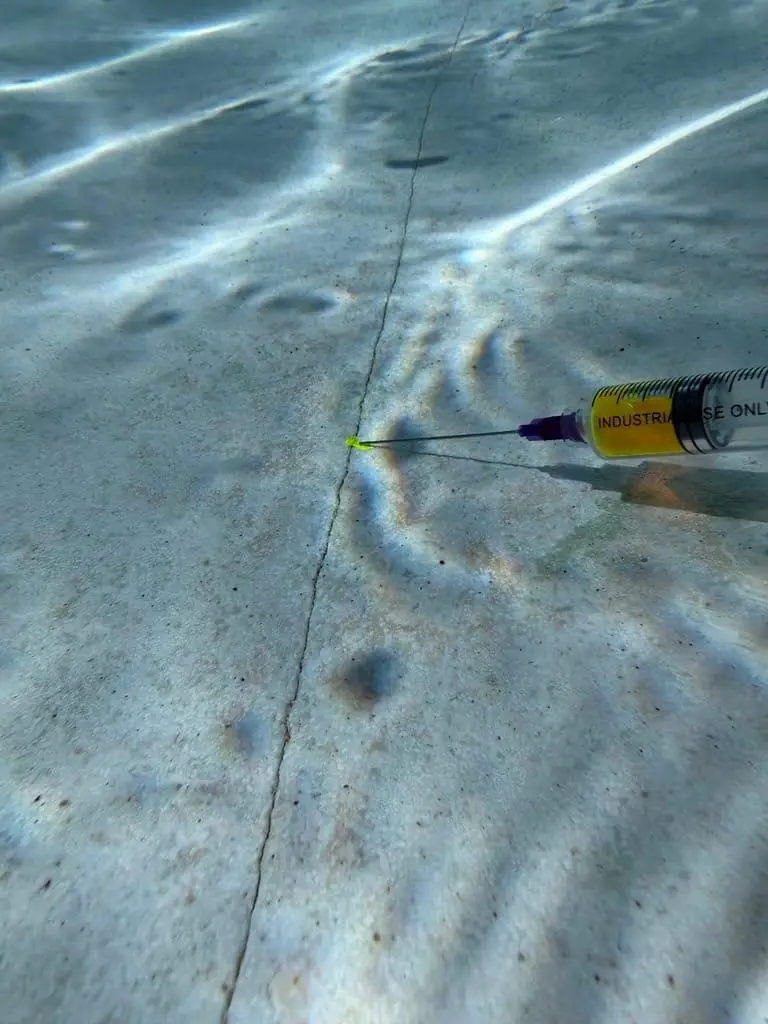
How to tell if a crack leaks
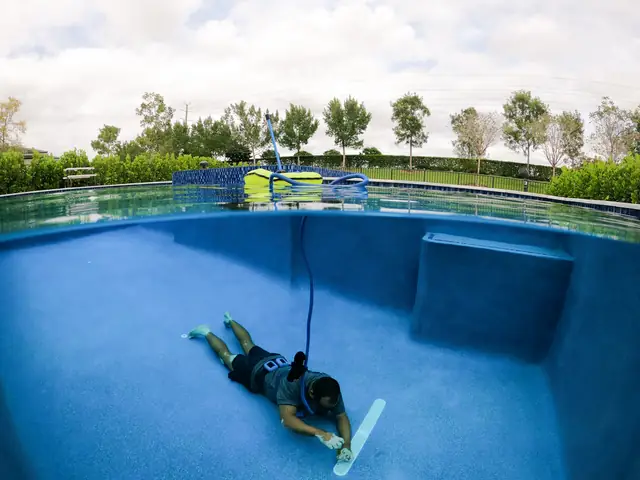
In still water, with the pump off, a small amount of dye is released right at the crack. If the crack is leaking, the dye moves into it. If it just drifts away, the crack is not taking water at that spot. We do this on every crack that worries you during a leak detection.
How leaking cracks are fixed
Many leaking cracks can be sealed under water with a material made for pools, with no draining. Wider or moving cracks may need more work. We tell you which kind you have and the price before any work starts.
Where cracks show up
Cracks in a pool usually start where the shell changes shape or where stress collects: the steps and benches, the corners, the transition from the shallow end to the deep end, and around the skimmer and returns. A crack in the bond beam, the thick top edge under the tile, often shows as a crack in the tile line or the coping. Each one gets a different look during the leak detection.
Will dye always show it?
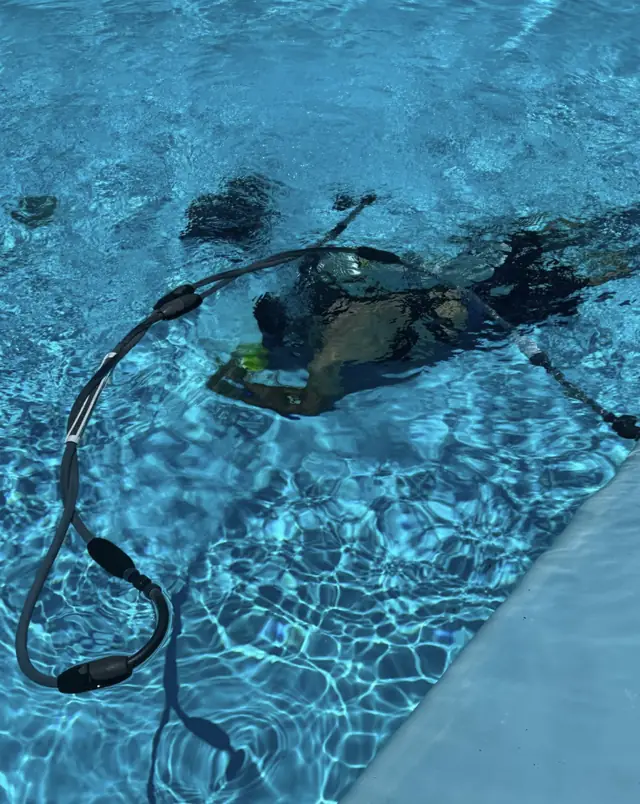
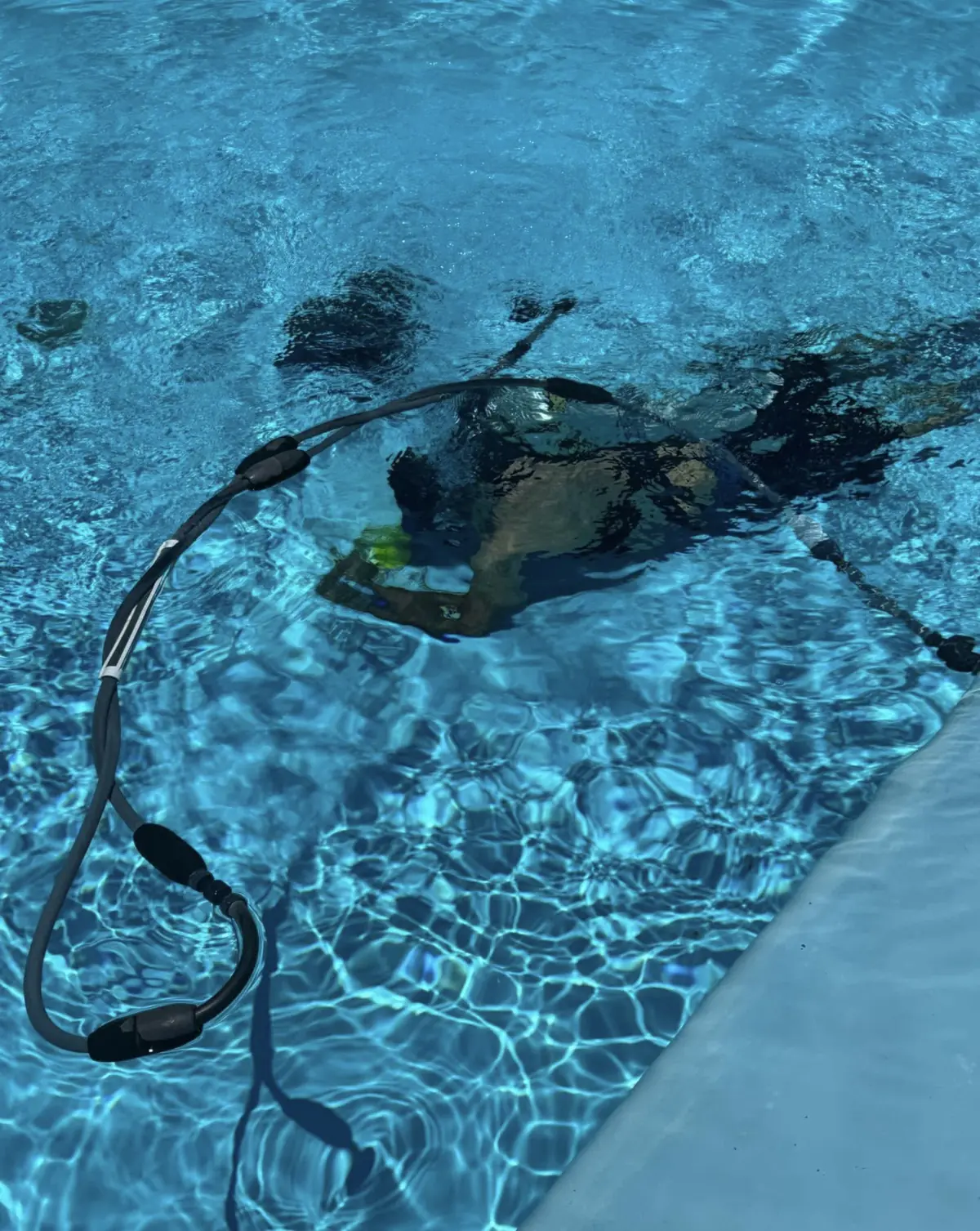
A crack only pulls in dye if water is actually leaving through it. Some cracks are dry, only in the plaster. Others leak slowly enough that the tech needs still water and a close look, which is why we check cracks from inside the pool with dive gear. If a crack does pull in dye, it goes in the report, with photos and video where available.
Cracks and the soil under the pool
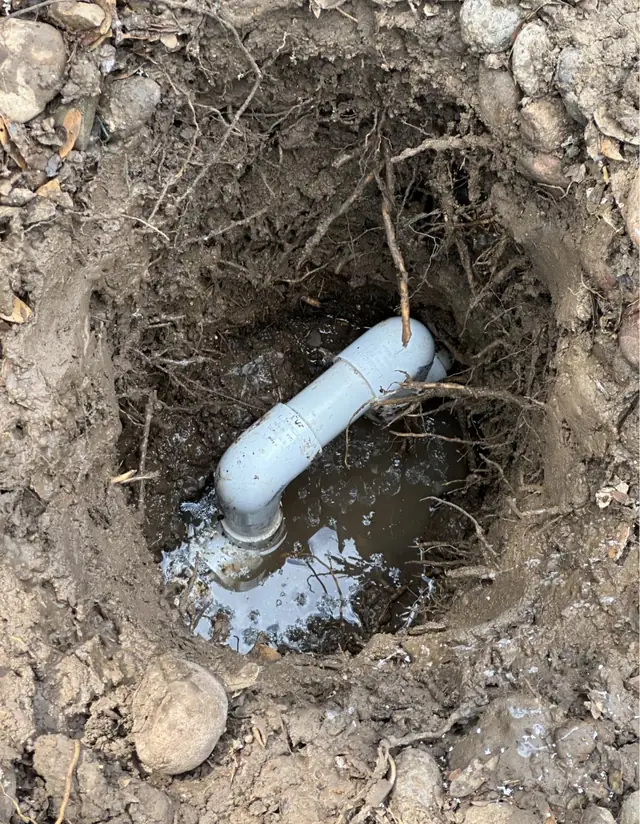
A new crack is a sign that something moved. In North Texas that is usually the clay under the pool swelling and shrinking, or soil washed out by a leak somewhere else. Fixing the crack without finding what moved can mean another crack later. That is why we test every line, not just the crack you can see.
Repairs, from small to big
- Small leaking cracks can often be sealed under water with a putty or epoxy made for pools.
- Larger cracks may be opened up, stitched across with steel staples, and patched.
- Cracks that keep moving can call for a bigger repair or a replaster later. We tell you which is which.
When a crack is a warning
New cracks that grow, a shell crack paired with deck movement, or a crack that appears after a leak has been running for a while can all mean the ground is moving. Find and stop the leak first, so the soil is not being washed out.
Questions
Can you fix a pool crack without draining it?
Often yes. Many leaking cracks are sealed under water. Draining a pool carries its own risks, so we avoid it unless the repair needs it.
Are hairline cracks in pool plaster normal?
Fine surface checks are common as plaster ages, and are usually cosmetic. If one lines up with water loss, dye test it.
How do I know if a crack in my pool is structural?
Cracks that are wider than a hairline, that run through the tile or coping, that you can feel with a fingernail, or that grow over time are worth a professional look. Fine crazing across old plaster usually is not structural.
Does a crack mean my pool needs to be replaced?
Rarely. Most cracks are repaired. The bigger question is why it cracked, which is what the full leak detection and inspection answer.