On this page
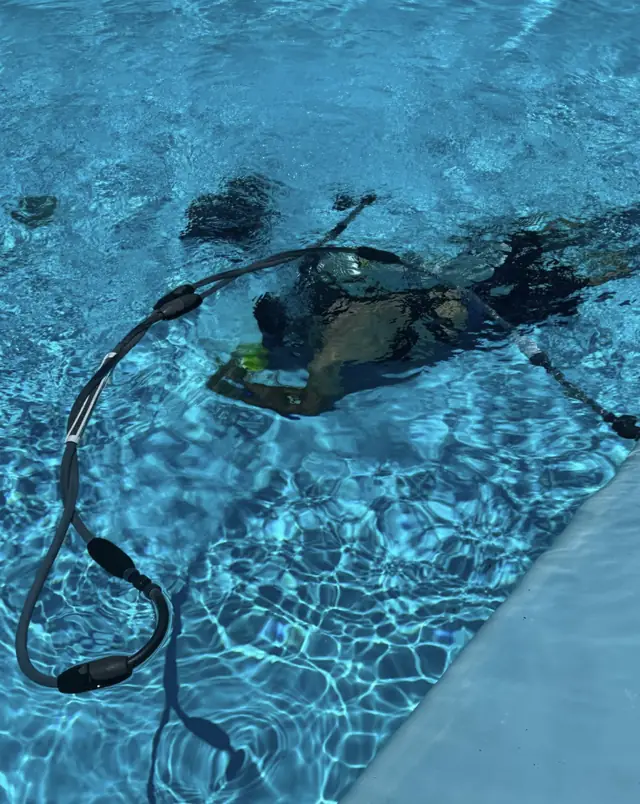
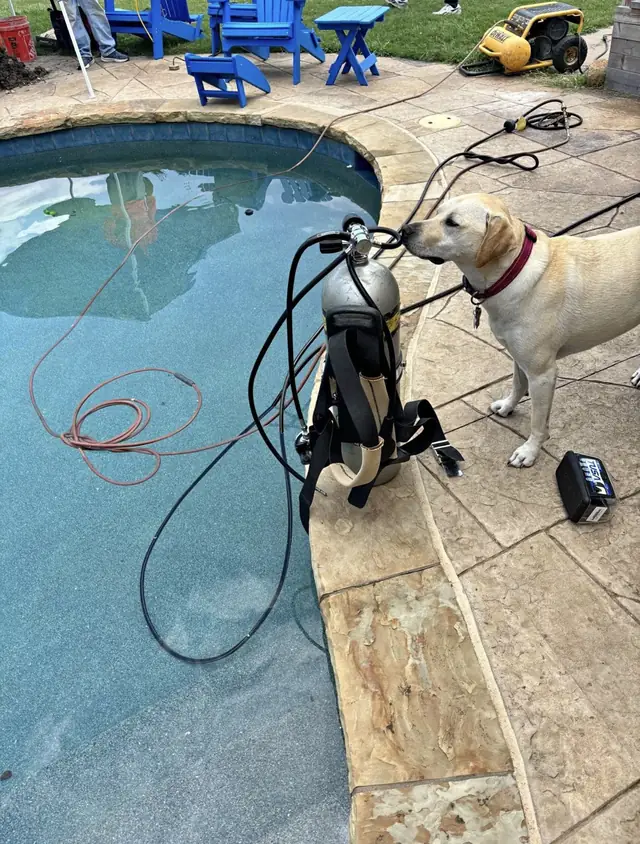
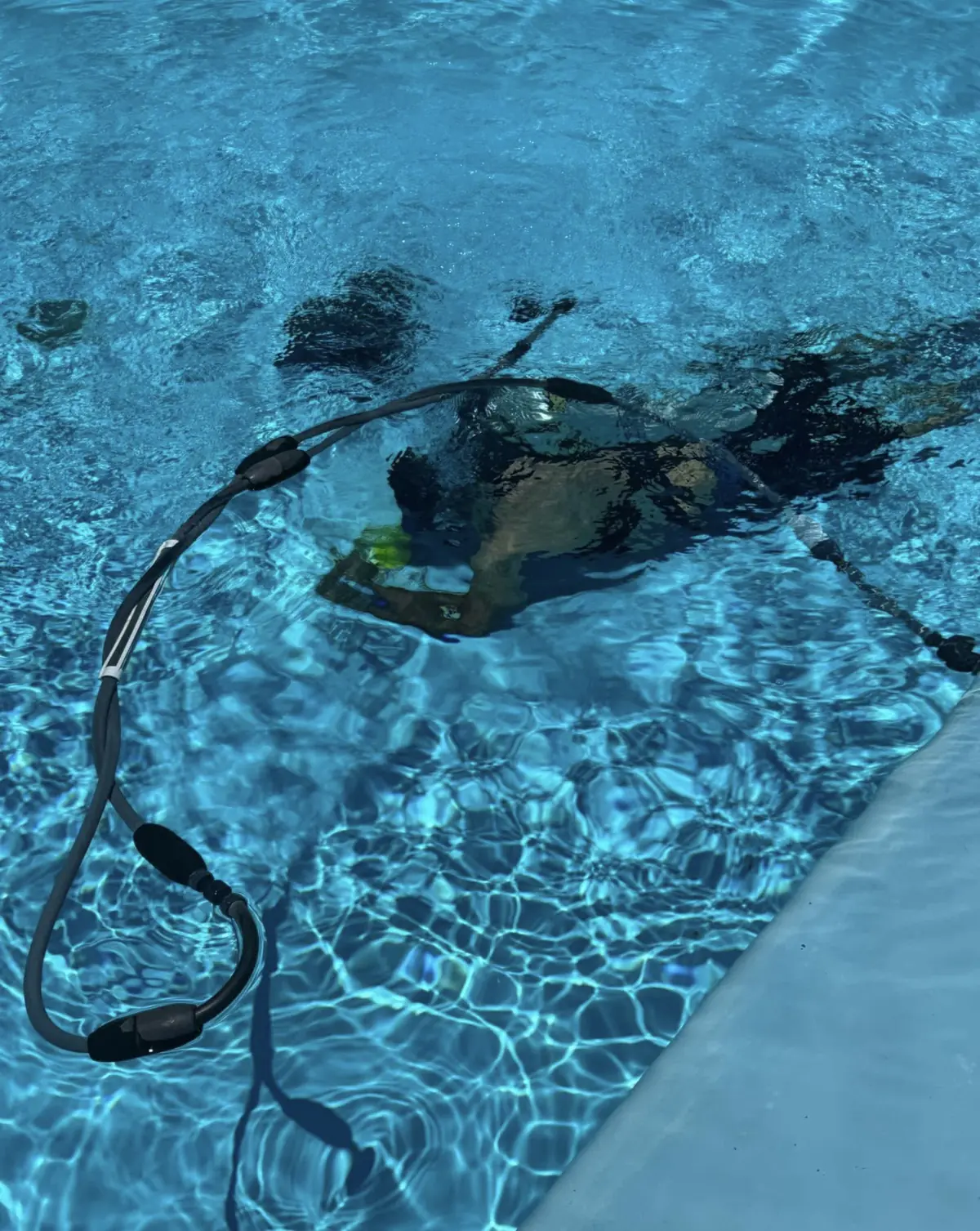
We need the water to find the leak
Pressure tests, dye tests, listening equipment and underwater checks all work with water in the pool. Drain it and the leak has nothing to show us.
Groundwater can push an empty pool
A pool full of water is heavy, and that weight holds it down. Empty, it can be pushed by water in the ground around it, especially after heavy rain. That pressure can crack the shell or, in the worst case, lift the pool. Many pools have a relief valve in the main drain for this, but it is not a reason to drain.
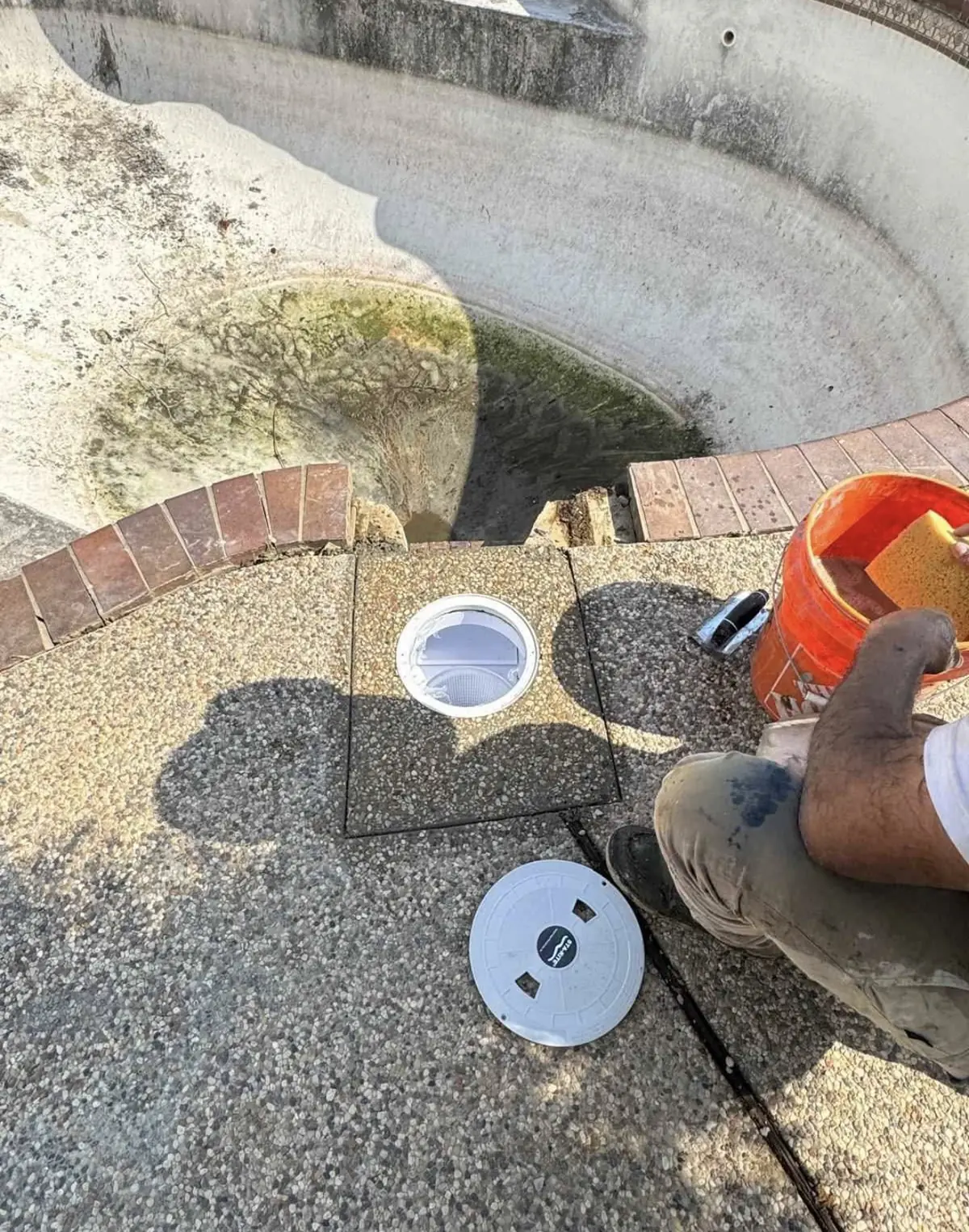
Plaster and liners suffer
- Plaster exposed to Texas sun and heat can dry out and crack.
- Vinyl liners can shrink and may not fit back into place. See liner leaks.
You lose the water you paid for
A full refill is thousands of gallons, plus the chemicals to balance it.
When draining is right
Some repairs and resurfacing do need the pool empty. When they do, it is planned: the right weather, the relief valve checked, and the work done quickly. That is a job for the people doing the repair.
Hydrostatic pressure, explained
The ground around your pool holds water, especially after rain. A full pool pushes down and out with the weight of its water, which keeps it seated. An empty pool does not. If the groundwater around it is high enough, it can push an empty pool up, crack the floor, or float a fiberglass shell out of its hole. That is why draining is done carefully, by people who check the conditions first.
Plaster and liners need water
Plaster that sits dry in the Texas sun can crack and check. A vinyl liner shrinks when it is empty, and an old liner can tear when it is refilled. A pool that was only leaking can come out of a drain-down needing new plaster or a new liner.
If you already drained it
Do not panic. Refill it as soon as you can, keeping an eye on the floor and the walls. Once it is full and the water is clear, we can test it like any other pool. Let us know when you book, so we look closely at the shell as well as the lines.
Low water is not the same as empty
If the pool has dropped below the skimmer, turn the pump off so it does not run dry, and add water back to the normal level before the visit if you can. We need the normal water level to test the skimmers, light and returns.
What to do instead
- Keep the water above the bottom of the skimmer opening, so the pump does not run dry.
- If it drops below, turn the pump off and top it up.
- Write down how fast it drops and where it stops, and book a leak detection.
Questions
Can draining a pool damage it?
Yes. Groundwater pressure can crack or lift an empty shell, plaster can dry and crack in the sun, and vinyl liners can shrink.
Should I keep refilling a leaking pool?
Keep it at a safe level for the pump, and record how much you add. That number helps us and tells you what the leak costs.
Will my pool pop out of the ground if I drain it?
It can happen, especially to fiberglass pools and pools in wet ground after heavy rain. It is rare when draining is done carefully, but it is one of the reasons not to drain a pool to find a leak.
Do I need to fill the pool before the leak detection?
Yes, bring it to its normal level if you can. We need water at the skimmers, light and returns to test them, and clear water to dive.