On this page
How features lose water
- Splash-out. Water that lands on the deck or the rocks instead of the pool. Not a leak, but it adds up.
- Rock waterfalls where water runs behind the rocks or through the grout and soaks into the ground.
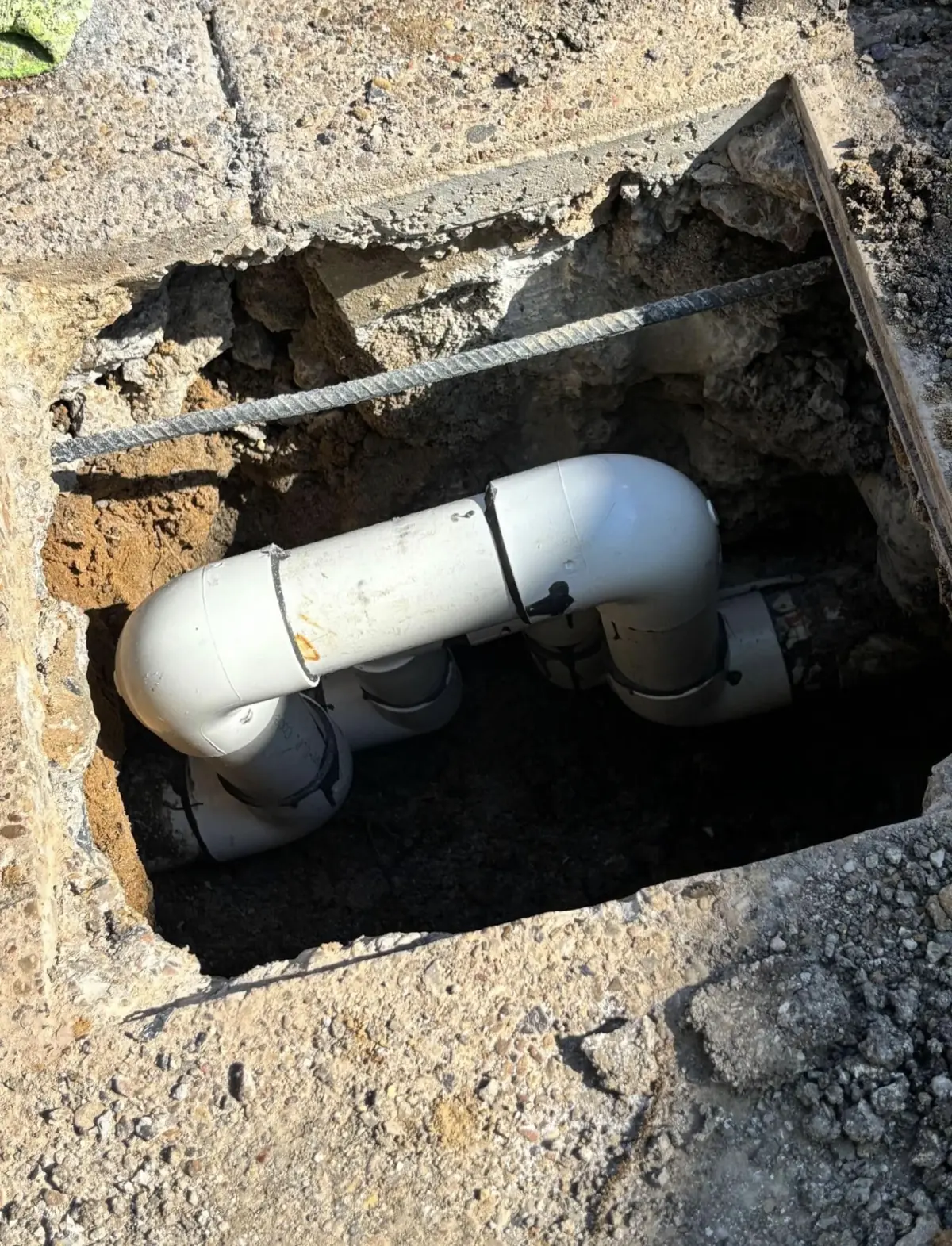
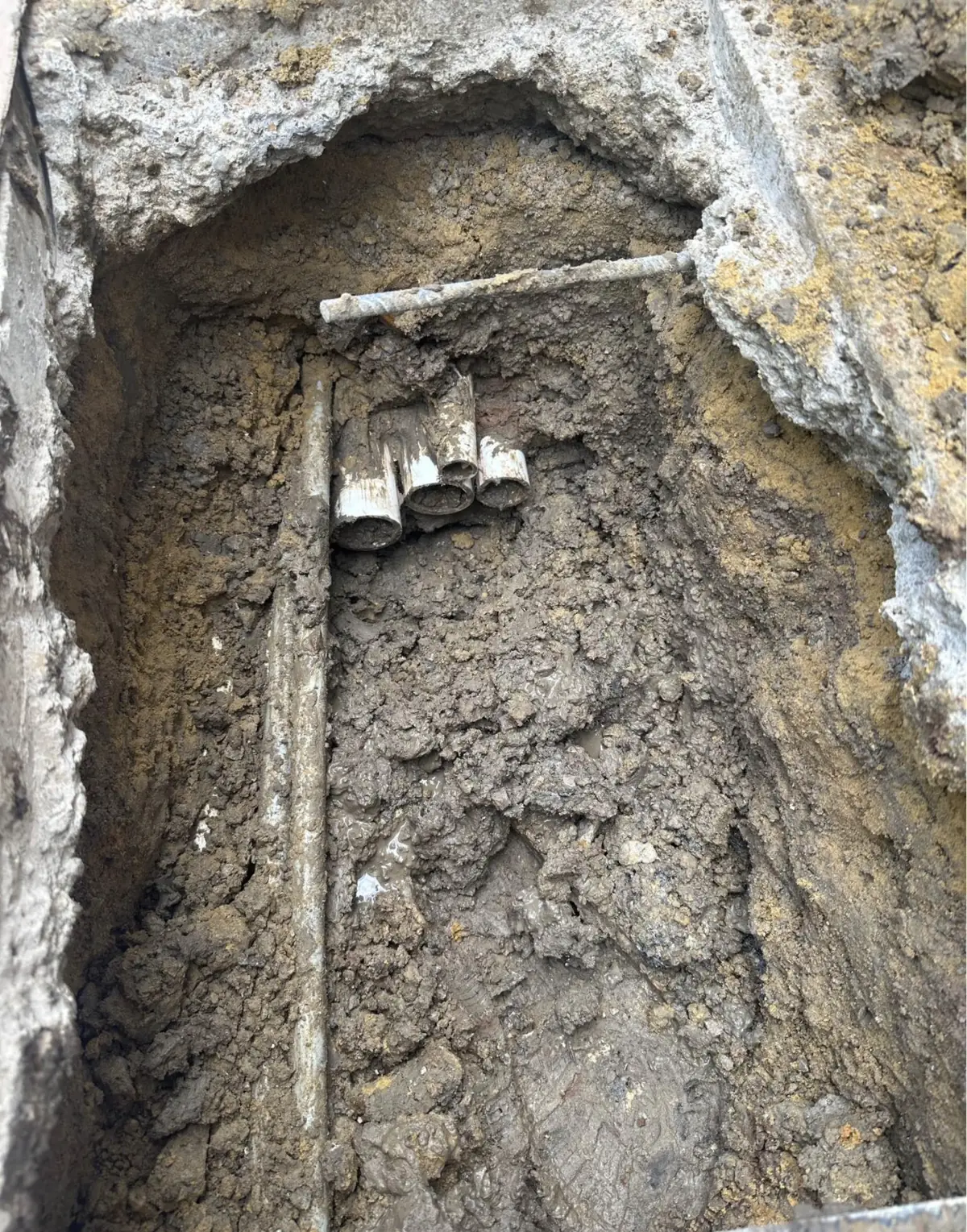
- Feature lines under the deck that crack like any other pool pipe.
- Fittings at bubblers, deck jets and scuppers.
A check you can do
- Run a 24-hour bucket test with the features off.
- Run another 24 hours with the features on.
- If the loss jumps with the features running, a feature is likely leaking or splashing out.
Look at the area around a waterfall when it has been running. Wet soil or dark patches behind the rocks are a clue.
Why features add to the price
Fountains and water slides are included in our leak detection. Bubblers, waterfalls and other water features each have their own plumbing to test, which takes more time and specialty equipment, so each adds $99. Tell us up front so we come prepared. See the price builder.
Splash-out or a real leak?
The first question with any feature is whether the water is leaving the pool or just landing on the deck. Watch the feature on a windy day: if spray lands outside the pool, that is splash-out. Turning the feature off for a day and measuring the drop again is the simplest check. If the loss goes away with the feature off, the feature is involved, either through splash or a leak in its plumbing.
Rock waterfalls
A rock waterfall is a basin, a pipe and a lot of rock and mortar. Water can escape behind the rocks through a cracked basin, a gap in the mortar or a loose line, then soak into the ground behind the feature where you never see it. We test the feature line under pressure and dye test the basin and the joints.
Sheer descents, bubblers and deck jets
Each of these has its own line, and often its own valve. The line can leak underground just like a return line. Sheer descents also lose water to wind, so check the deck under them for wet spots.
What the price covers
Each water feature is $99 on top of the leak detection, because each one has its own lines and fittings to test. Fountains and water slides are included at no extra cost. Tell us what features you have when you book, so the tech comes ready.
Fixing feature leaks
Feature line leaks are repaired like any underground line. Rock waterfall leaks often need the area behind the rocks sealed. You get the price before any work starts.
Questions
Can a waterfall make my pool lose water?
Yes, through splash-out, evaporation from the falling water, and leaks behind the rocks or in its line. Compare a day with it off against a day with it on.
Are fountains included in the leak detection price?
Yes, fountains and water slides are included. Other water features are $99 each.
Should I turn off my waterfall during a bucket test?
Yes, for the first test. Then run a second day with it on. If the loss jumps when it runs, the feature is part of the problem.
Can a water feature leak even when it is off?
Yes. If its line or basin is cracked below the pool level, water can drain back out through it with the feature off.